
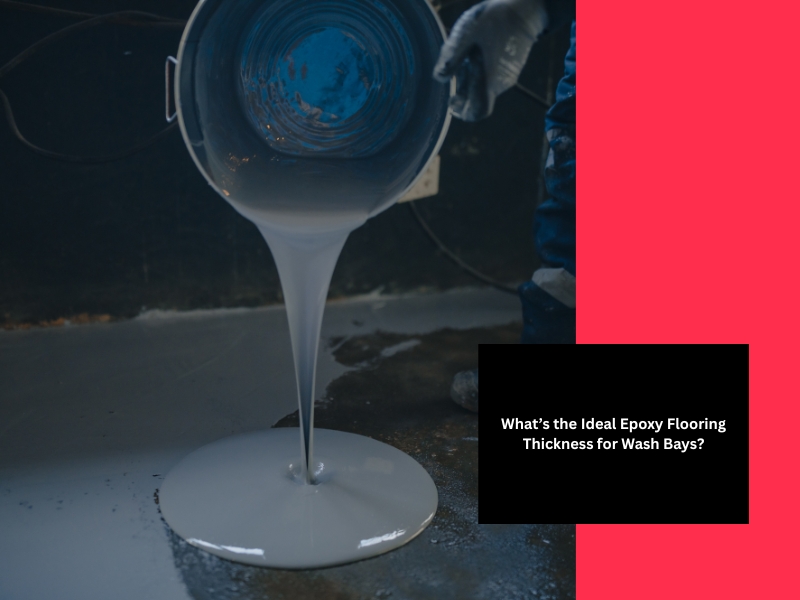
When it comes to epoxy flooring thickness, precision is key, especially in high-traffic wash bays where moisture, heat, and pressure meet every day. Too thin, and the surface wears out before you know it. Too thick, and you risk uneven drainage and wasted material.
In this guide, you’ll uncover why the right epoxy depth isn’t just about aesthetics; it’s about performance, safety, and long-term savings. You’ll also see how professionals determine the correct thickness for each wash bay and what systems perform best in Australia’s variable conditions. By the end, you’ll know how to keep your wash bay floor performing at its peak year after year.
Why does epoxy flooring thickness matter in vehicle wash bays?
Choosing the right epoxy flooring thickness for a wash bay can be tricky. If you’ve ever noticed peeling, discolouration, or uneven wear in a garage or wash area, you’ve likely seen what happens when the thickness isn’t right. Wash bays endure constant exposure to detergents, pressure washers, and heavy vehicles. When the coating layer isn’t properly calibrated, it can’t protect the concrete slab beneath. Over time, the surface becomes slippery and waterlogged, an obvious safety hazard. Key reasons epoxy thickness matters:
- Prevents premature cracking and peeling under heavy traffic
- Enhances slip resistance when wet
- Supports correct floor slope for effective drainage
- Extends the lifespan of your wash bay floor
It’s essential to match coating thickness to the level of usage, moisture exposure, and load type. Even a few millimetres make a difference between durable flooring and a costly redo.
What happens when epoxy flooring is too thin?
Ever seen a wash bay floor start to bubble or delaminate after only a year or two? That’s the hallmark of a thin epoxy coating. It’s an easy mistake to make, especially when installers rush the prep stage or underestimate the required coverage. A thin coating can’t resist chemicals or thermal shock from hot engines. Once moisture seeps through, it weakens the adhesion and creates air pockets that expand under heat. The result? A patchy, unsafe surface that’s hard to clean.
Common signs your epoxy is too thin:
- Visible surface wear or dull spots within months
- Uneven gloss or texture between wash zones
- Flaking near drains or wheel tracks
And when those weak spots form, water starts penetrating the concrete, causing structural damage underneath. You might save a few dollars upfront, but you’ll pay for it later in repairs. For demanding environments like vehicle wash bays, the floor should be at least 2–4 mm thick, depending on usage. For industrial sites or fleet wash areas, even 5–6 mm coatings are justified to ensure long-term resilience.
Can poor epoxy thickness cause safety or drainage problems?
Absolutely. In fact, improper thickness often leads to drainage-slope issues. A floor that’s too thick in certain areas might disrupt the gradient, causing puddles that never dry. On the flip side, thin patches can wear down, exposing uneven substrate levels that pose a slip risk. Here’s where the danger ramps up:
- Pooling water increases the risk of slips and trips
- Detergent residue builds up in shallow puddles
- Pressure washers push water into surface gaps
When combined, these factors turn a safe wash bay into a workplace hazard. The problem isn’t just cosmetic, it’s functional. A properly levelled and correctly measured epoxy surface prevents standing water and reduces chemical degradation.
| Recommended Epoxy Thickness | Typical Slope Ratio | Expected Lifespan |
| Light-duty car wash bay (domestic) | 01:40 | 5–7 years |
| Commercial truck wash bay | 01:20 | 7–10 years |
| Industrial or fleet wash bay | 01:15 | 10–12 years |
If your current floor doesn’t drain well, a professional re-grind and resurfacing can often fix the problem without needing a full replacement.
How to calculate the correct epoxy flooring thickness for wash bays
Determining how thick your epoxy should be starts with understanding the formula for calculating epoxy thickness. It’s not one-size-fits-all; factors like substrate condition, expected traffic, and exposure to detergents all affect the result. Professionals often use a volume-to-coverage ratio to estimate the right depth. For example, a 3 mm coating requires roughly 4.5 litres of epoxy per square metre. To calculate your ideal thickness:
- Assess the wash bay’s traffic load (cars, utes, or trucks)
- Evaluate the concrete condition and previous coatings
- Measure moisture levels before application
- Allow for surface slope when applying each coat
Thicker coatings are more forgiving for moisture-prone areas but demand longer curing times. The trick is achieving a balance between durability and workability. When handled by experts, the installation ensures a consistent finish that supports proper drainage and chemical resistance. For reference, non-slip epoxy flooring for wash bays is designed to meet industry-standard thickness for both traction and durability.
Which epoxy coating system best suits high-moisture wash bay floors?
If your wash bay is subject to constant spray or humidity, choosing a wash bay epoxy coating system with a moisture-resistant topcoat is crucial. These systems combine multiple coats, each designed to block water and improve adhesion. Popular moisture-tolerant epoxy systems include:
- Polyamine hardener epoxies for chemical resistance
- Quartz-filled epoxy for texture and slip control
- Urethane topcoats for UV and wear protection
Each system varies in thickness, typically 3–6 mm, but the goal is always the same: durability under pressure. When moisture infiltrates from below, only a well-bonded epoxy layer stops it from spreading. One major advantage of multi-layer systems is the ability to fine-tune surface traction while maintaining consistent depth. That means no puddles, no delamination, and better long-term performance.
How professional installers ensure consistent epoxy depth in wash bays
Professional flooring technicians use advanced commercial epoxy installation methods to maintain even depth across a wash bay. It’s not about guesswork, it’s about measurement and timing. Before any coating begins, the substrate is laser-levelled to ensure the correct slope. Installers then use depth gauges and notched trowels to monitor epoxy spread rates. The material’s viscosity, ambient temperature, and cure time are all tracked throughout the job. Standard practices to ensure depth consistency:
- Use calibrated mixing ratios
- Apply under controlled humidity levels
- Monitor curing temperature across the slab
- Inspect each coat before applying the next
This level of precision ensures consistency, even in large-scale operations. It also helps prevent those dreaded patchy gloss zones that can ruin an otherwise perfect finish. When you see a wash bay floor that looks as smooth as glass yet drains perfectly, that’s the mark of an experienced installation team using process, not luck, to get it right.
Final thoughts on maintaining epoxy flooring thickness in vehicle wash bays
The right epoxy flooring thickness isn’t guesswork; it’s engineering. Whether you’re maintaining an existing wash bay or planning a new installation, it pays to think long-term. A few extra millimetres now can prevent costly resurfacing later. Regular inspections and light resealing every few years can keep the surface performing like new. Epoxy maintenance guidelines suggest checking for early wear near drains and high-traffic zones.
For advice on keeping your wash bay safe and compliant, seek expert flooring insights from Ultimate Epoxy Floors. Their experience ensures every layer, right down to the last micron, is measured for longevity and performance.