
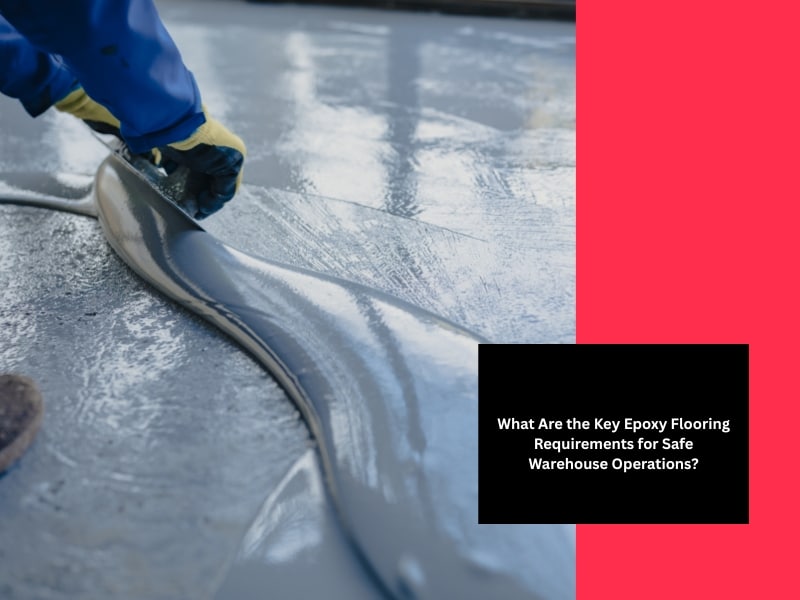
A successful epoxy floor application depends on how well the concrete is prepared, how moisture is managed, and how accurately the coating is installed. Each factor shapes long-term durability and determines whether the floor bonds securely or deteriorates earlier than expected. Many homeowners assume epoxy functions like standard paint, yet its performance relies on precise steps that influence chemical bonding. When overlooked, these factors lead to peeling, uneven curing, or weak adhesion. This article explores the key considerations you must understand before committing to epoxy floor application.
Why do floors fail without proper epoxy floor application?
Floors fail without proper epoxy floor application because the coating needs a strong, clean, and stable surface to bond effectively. Any inconsistency in surface texture, cleanliness, or structural condition interrupts adhesion and reduces long-term performance. Here are the factors that commonly lead to failure:
- Poor surface profiling prevents epoxy from gripping the concrete, causing peeling or flaking that worsens once the coating faces daily stress.
- Hidden contaminants such as oils, dust, or old paint disrupt chemical bonding and weaken the integrity of the final finish under ongoing pressure.
- Temperature mistakes during installation change how the epoxy sets, creating soft, brittle, or uneven sections across the floor.
- Existing cracks or weak patches in the concrete shift over time, leading to delamination as the epoxy can’t flex with unstable substrates.
To strengthen real-world flooring outcomes, mid-project decisions matter as much as initial planning. When overlooked, small errors compound into larger issues later. These issues often push people to seek reliable epoxy flooring application solutions when self-installation becomes more complex than expected.
How can moisture issues affect epoxy floor application?
Moisture issues affect epoxy floor application because water vapour pushes upward through concrete, disrupting the epoxy’s ability to form a secure bond. Excess moisture often leads to bubbling, hazing, or complete coating failure. Here are the most important moisture-related concerns:
- Moisture vapour pressure lifts the epoxy from below, creating blisters that expand as humidity rises or temperatures fluctuate.
- Water reacting with epoxy chemicals results in cloudy or dull patches, reducing the coating’s clarity and overall appearance.
- Damp concrete weakens bonding strength, increasing vulnerability to abrasion, impacts, and long-term wear.
- Inadequate moisture testing leads to incorrect installation timing, trapping water beneath the coating and causing slow-forming structural damage.
Moisture issues also relate to broader safety considerations, especially when discussing maintaining surface safety to prevent trips and falls, because lifted coatings or uneven textures can create hazards.
Does ignoring surface prep increase epoxy floor application risks?
Ignoring surface prep increases epoxy floor application risks because epoxy bonds mechanically, meaning it must anchor into a textured, contaminant-free surface. Without proper preparation, the coating fails far earlier than expected. Here are the preparation problems that cause the most issues:
- Unprofiled or glossy concrete blocks have poor adhesion and create weak points that quickly show signs of wear or lifting.
- Residue from previous coatings or chemical spills forms invisible barriers that repel epoxy and reduce uniformity across the slab.
- Incomplete dust removal embeds debris within the coating, affecting smoothness and weakening resistance to long-term abrasion.
- Rushed preparation allows moisture or residue to remain, causing uneven curing and texture inconsistencies across the floor.
These oversights often leave people wondering why their epoxy doesn’t last as expected. Preparation is usually the difference between a lasting floor and one that disappoints, which is why many discussions about the benefits of applying epoxy flooring in a garage highlight how essential this step is for performance in high-use areas.
Which steps ensure a smooth epoxy floor application process?
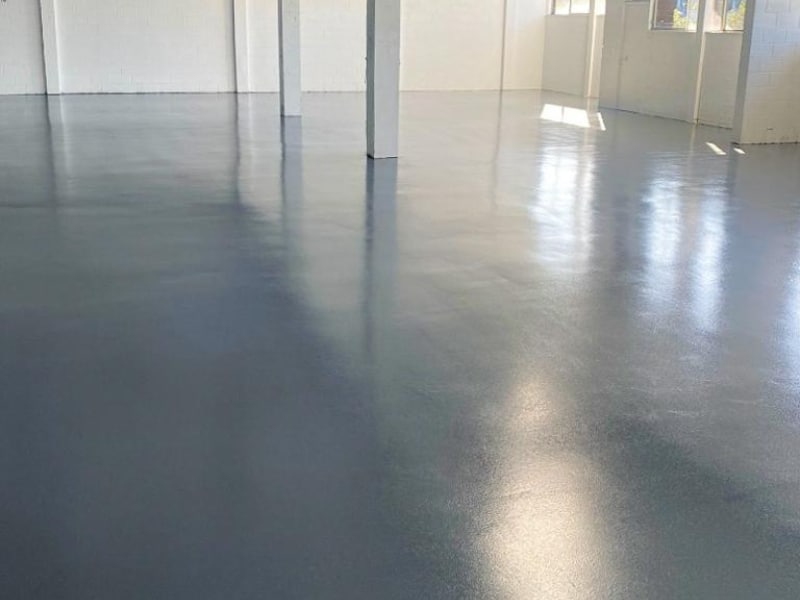
Steps that ensure a smooth epoxy floor application process include testing the substrate, preparing the surface to the correct profile, mixing materials accurately, and applying coatings in controlled conditions. Each part supports the coating’s ability to bond and cure properly. Here are the steps that most strongly influence final results:
- A detailed concrete assessment determines whether the slab is dry, strong, and structurally ready for epoxy to bond under long-term pressure.
- Mechanical grinding or blasting removes contaminants and produces the ideal texture that epoxy requires for reliable adhesion.
- Proper mixing ensures chemical stability, reducing risks of soft curing, streaking, or inconsistent colour behaviour.
- Timely application allows each layer to bond correctly, preventing trapped air, surface inconsistencies, and uneven settling.
Below is a quick comparison of critical stages:
| Stage | Purpose | Risk if ignored |
| Surface testing | Confirms slab readiness | Weak bonding and early coating failure |
| Grinding/profile | Creates adhesion texture | Delamination and peeling |
| Mixing accuracy | Ensures chemical balance | Soft, streaky, or brittle finish |
| Timed application | Controls bonding | Air bubbles or visible marks |
Thickness plays an important role in performance, especially when considering how floor thickness affects durability and how much pressure the coating can withstand.
Can proper curing times lead to a stronger flooring finish?
Proper curing times lead to a stronger flooring finish because epoxy hardens through chemical reactions that require undisturbed conditions. If curing is rushed, interrupted, or exposed to unstable temperatures, the coating loses structural strength. Here are the factors to understand about correct curing:
- Controlled curing enables the floor to reach full hardness, improving resistance to scrapes, impacts, and everyday pressure.
- Allowing each coat to set completely prevents trapped air or moisture, which affects clarity and reduces coating strength.
- Maintaining stable temperatures supports consistent hardening across the floor, preventing brittle or soft patches.
- Keeping traffic away during curing protects the forming film, preventing imprints or flaws that become permanent.
Epoxy continues hardening long after it appears dry, so slow and steady curing always leads to a tougher, more reliable result.
Could professional techniques prevent common application errors?
Professional techniques prevent common application errors because experienced installers understand how concrete condition, product chemistry, and environment interact during each phase of epoxy installation. Their approach reduces risk and improves consistency. Here are the methods experts use to improve outcomes:
- Technical concrete refinement develops the perfect bonding texture, reducing adhesion problems that typically appear months after installation.
- Experienced resin application delivers smoother, more uniform coverage by controlling the spread rate and working methodically across the floor.
- Managing humidity and temperature prevents sudden curing issues such as soft patches, streaking, or variation in gloss levels.
- Precision measuring avoids mixing inconsistencies, ensuring the resin cures at its intended hardness without weak or brittle areas.
These techniques help ensure the coating performs reliably, especially in large or high-demand environments where small mistakes cause noticeable flaws.
Final thoughts on achieving long-lasting flooring performance
Achieving long-lasting flooring performance depends on preparation, environmental control, accurate mixing, and patient curing, as each step shapes how well the epoxy bonds and withstands ongoing use. When these elements work together, the floor maintains strength, clarity, and resilience for many years. For tailored professional support, you can get in touch with Ultimate Epoxy Floors whenever guidance is needed.